How Much Does 3D Architectural Rendering Cost?
By Aman Pratap · · 7 min read · 3D Rendering
Search for 3D architectural rendering cost and you will find numbers all over the map, from under a hundred dollars on freelance marketplaces to five figures for animation work. All of those numbers are real, and none of them tells you what your project will cost. The honest answer is that rendering is priced per project, and the price is built from a handful of drivers you can actually understand. Once you know them, you can read any quote and see whether it is fair.
This guide comes from our own production side. Our team produces 3D modeling and rendering for millwork manufacturers, builders, and designers across the US and Canada, usually working straight from CAD files and shop drawings. So instead of quoting other companies' rate cards, here is what actually moves the price, from people who build these scenes every week.
Why Nobody Can Give You One Number
A rendering is a custom product. Two images can look similar in a portfolio and carry completely different amounts of work behind them, because the price is not really for the image. It is for the 3D scene that produces the image: the modeling, the materials, the lighting, and the revision rounds it took to get there. That is why serious studios quote after seeing your drawings, not before. A flat rate offered blind either has a lot of padding in it or a lot of corners waiting to be cut.
The Six Drivers Behind Every Rendering Quote
1. What is being rendered
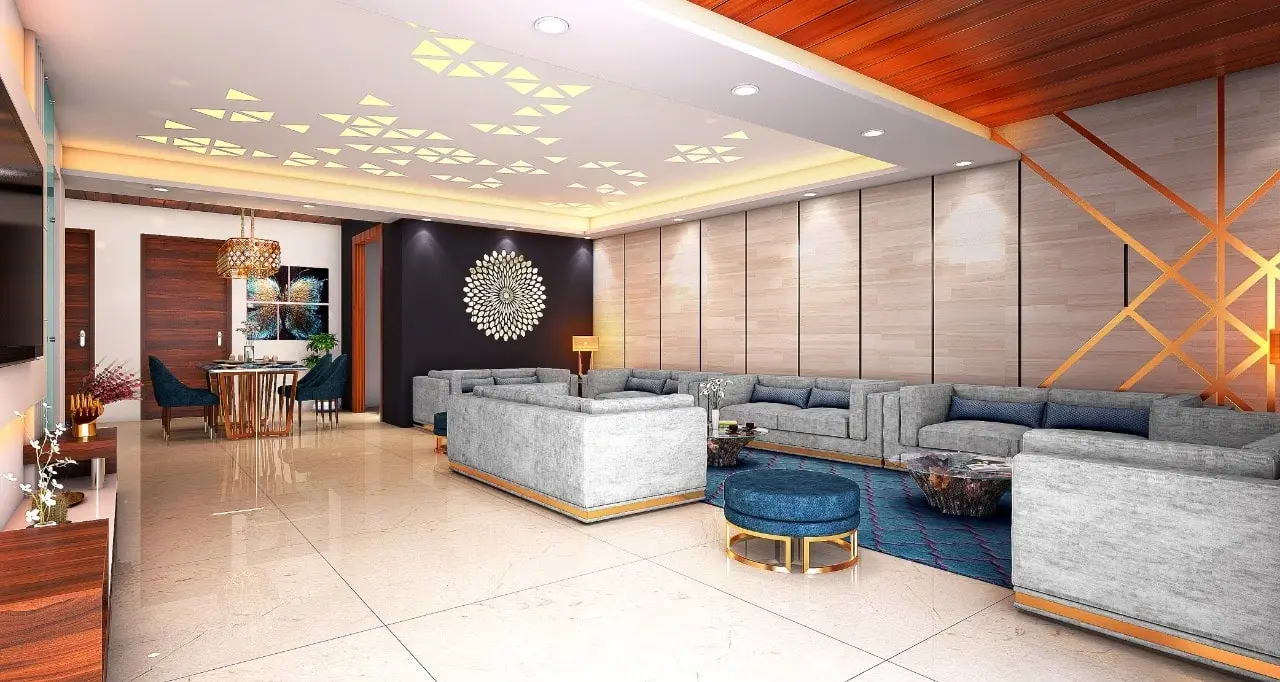
A single interior room, a full building exterior with landscaping, and a standalone product shot sit at very different effort levels. Interiors live or die on furniture, fixtures, and material detail. Exteriors add site context, vegetation, and sky. Product and millwork renders are usually the tightest scope of the three, one object, controlled lighting, which is why they tend to sit at the lower end of any price range.
2. The level of photorealism
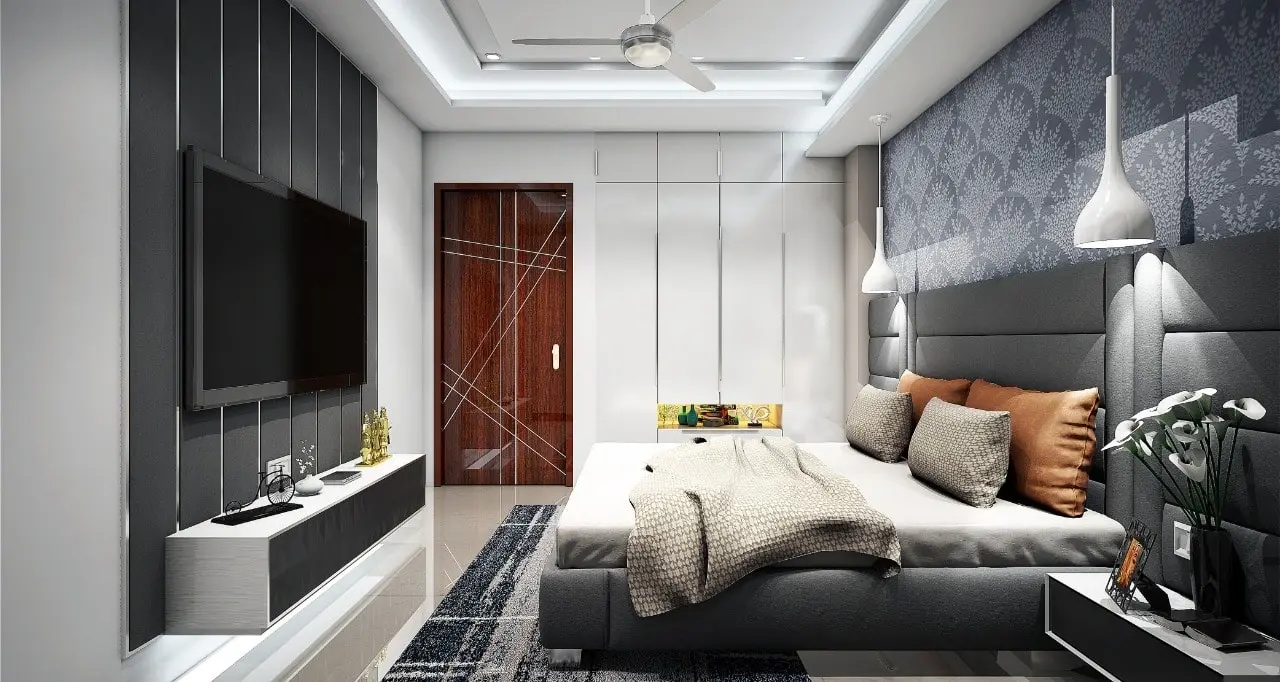
There is a big gap between a clean presentation render and a photorealistic one. Getting wood grain to read correctly, getting light to bounce the way it does in a real room, getting reflections in stone and glass right, that is where the artist hours go. If the image only needs to communicate layout for an internal approval, say so, because paying photorealism prices for a layout check is wasted money.
3. How many views you need
The first image of a scene is the expensive one, because it carries the full modeling and material setup. Every additional camera angle from that same finished scene costs a fraction of the first, since the work is mostly rendering time, not rebuilding. This is the single most useful thing to know when comparing quotes: per-image prices should drop noticeably from the second view onward, and a quote that charges every view like the first is not pricing honestly.
4. Whether a 3D model already exists
Modeling from scratch is the most expensive step. If you can hand over clean CAD files, shop drawings, or an existing 3D model, a large part of the work is already done and the quote should reflect it. This is where manufacturers have a real advantage: the same files a shop uses for production are exactly what a rendering team wants as a starting point. Working from a napkin sketch is possible, but you are paying someone to model the whole thing first.
5. Revision rounds
Most quotes include a set number of revisions, and changes beyond that bill extra. The pattern behind almost every budget overrun is the same: finishes and layout kept changing after final rendering had started. The fix is procedural, not financial. Approve the gray model and camera angles first, lock the finishes, then let the final render run. Late changes to a finished photorealistic image mean re-rendering, and re-rendering is real cost.
6. Turnaround speed
Rendering has a physical time floor: scenes take hours to compute even after the artist work is done. Compressing a normal schedule into a rush means night work and machine priority, and rush pricing follows. If your deadline is a client presentation, start the rendering conversation when the drawings are 90 percent settled, not the week of the meeting.
Where the Money Actually Goes
It helps to see the costs on the studio side, because they explain why professional work is priced the way it is. The software alone is a real recurring cost per artist seat: Chaos, the company behind the V-Ray renderer that much of the industry runs on, lists its official subscriptions at $540 per year for V-Ray Solo up to $1,210.80 per year for the full collection, per seat. Add workstation-class hardware that gets replaced on a cycle, asset and material libraries, and render time on top. But the dominant cost is skilled labor. A photorealistic scene is hours of an experienced artist making hundreds of small judgment calls about light and material, and that expertise is what you are really buying. It is also why prices that look too good to be true usually deliver images that look exactly as cheap as they were.
Per Image or Per Project?
Studios price both ways, and the right structure depends on your job. Per-image pricing is simple and fair for a single hero shot of one scene. Per-project pricing usually wins once you need several views, a set of interiors, or renders of a product line, because it prices the modeling once and the views incrementally, the way the work actually happens. If you are a manufacturer rendering variations of the same casework or furniture piece in different finishes, per-project pricing on a shared base model is by far the economical route, and it is worth asking for explicitly.
How to Keep Your Rendering Cost Down
- Send what you already have: CAD files, shop drawings, PDFs, even a SketchUp model. Every hour of modeling you save is money off the quote.
- Batch your views. Ordering three angles of one scene together is much cheaper than ordering them one at a time weeks apart.
- Decide finishes before final rendering starts, and approve the gray model and cameras first. Revisions on a draft are cheap, revisions on a finished render are not.
- Match the quality tier to the audience. Photorealism for clients and marketing, clean presentation renders for internal approvals.
- Plan ahead so nothing has to be rushed.
For millwork and casework manufacturers there is one more lever. If the renders are part of a submittal or sales package, have the same team handle the shop drawings and the rendering. The model gets built once and feeds both, instead of two vendors each modeling the same cabinets from scratch.
The Only Accurate Number Is a Quote on Your Actual Project
Everything above tells you how the price is built. It still cannot tell you your price, because your price depends on your drawings, your view count, and your deadline. The good news is that finding out costs nothing and takes a day or two: send the project files to a rendering team and get a real number against your real scope. That number will be worth more than every generic price range on the internet combined.
Want a real number instead of a range?
Send us your drawings, CAD files, or even a sketch and we will quote your rendering project within 24 to 48 hours, free. We work from your files, under NDA if you want one, and the same model can feed your shop drawings and CNC files too.
Sources
FAQ's
How much does a 3D rendering cost?
There is no single market rate, because every rendering is priced from its scope: what is being rendered, the level of photorealism, the number of views, whether a 3D model already exists, revisions, and turnaround speed. Simple product or single-room renders sit at the low end of the effort scale, full photorealistic exteriors and animations at the high end. The only accurate number is a quote against your actual files, which most studios, including us, provide free.
How much should an architectural rendering cost?
A fair quote scales with the six cost drivers, and the clearest fairness test is view pricing: additional camera angles from an already-built scene should cost noticeably less than the first image. Be cautious at both extremes. Prices far below the market reflect the corners being cut, and a quote should always drop when you supply existing CAD files or 3D models, since that removes the most expensive step.
How much do architectural renderings cost per view?
The first view of a scene carries the full modeling and material setup, so it costs the most. Each further view from the same finished scene is a fraction of that, because the scene already exists and the work is mostly render time. This is why batching all the views you need into one order is consistently cheaper than ordering them one at a time.
How long does it take to create high-quality architectural renderings?
For a typical interior or exterior scene, expect a few days to about two weeks from files to final image, depending on scene complexity, how complete your drawings are, and how quickly the draft views get approved. The render computation itself takes hours per image, so rush deadlines compress the artist schedule, not the physics, and rush work prices accordingly.